
Find the condition that could make the dog area unsuitable
Start with a heat-and-stormwater risk audit: record the area’s shade and environmental temperature, trace where water moves, and flag environmental temperatures above 25 °C for discussion before comparing turf systems. The grass color or blade style is only one part of that decision. You also need to examine direct sun, shade, water movement, waste handling, odor-control features, wear, cleaning, and the trade-off with natural grass.
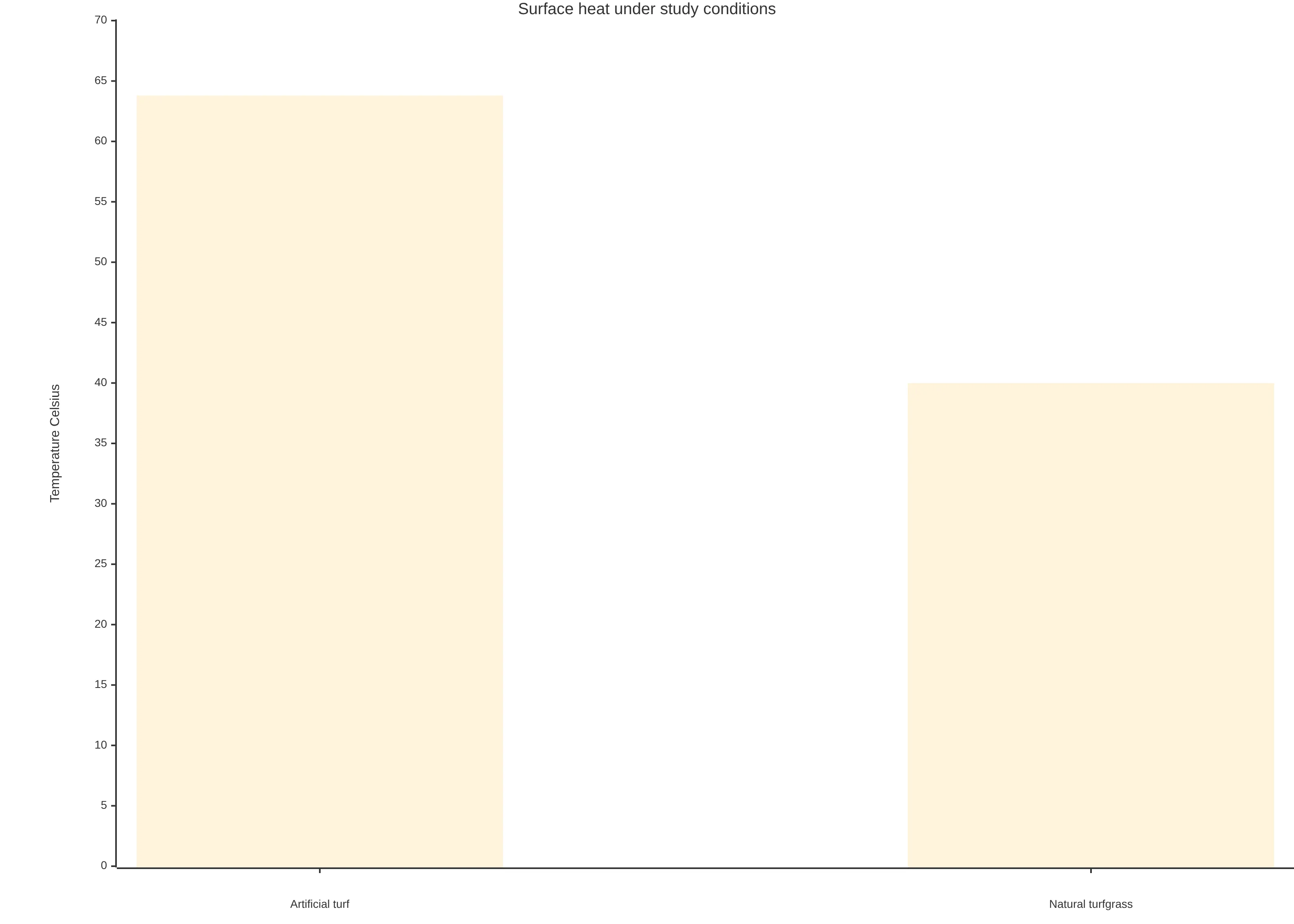
A study comparing dogs’ use of natural and artificial turf found that dogs spent more time on both natural-turf surfaces than on artificial turf. The same study found that natural turf stayed cooler under the tested conditions. Those findings do not make natural grass the right choice for every Kansas or Missouri yard, but they do make heat and surface preference questions worth resolving before installation. Artificial turf can lower routine lawn work, yet it does not remove site conditions or ongoing care from the decision.
A Kansas City, Overland Park, Lee’s Summit, Olathe, Shawnee, Lenexa, Liberty, Independence, Blue Springs, Johnson County, or Jackson County property needs a site-specific screen rather than a universal product answer. Start by writing down the conditions that could change the recommendation:
- Heat exposure: Record which parts of the dog area receive direct afternoon sun and which parts have dependable shade.
- Water movement: Note low points, downspouts, soil that stays wet, pooling after rain, and the direction water leaves the yard.
- Workload: Describe how many dogs use the area, how often they run, dig, turn, or cross the same route, and where they relieve themselves.
- Care capacity: Decide who will remove waste, manage rinsing or cleaning, and deal with odor concerns.
- Surface alternatives: Keep natural grass in the comparison if cooling, water infiltration, or canine preference carries more weight than reduced mowing.
The condition that remains unresolved should guide your next question. A site that cannot answer its heat, drainage, or workload questions is not ready for a product decision.
Stress-test direct sun, shade, and surface heat
Surface heat is a dog-use constraint, not a cosmetic detail. The study advises caution on artificial turf when environmental temperature exceeds 25 °C because the surface could become hot enough to injure dogs.
The study’s findings are limited to its examined conditions and materials; they are not a forecast for every Kansas or Missouri installation. They do show why a sunny strip beside a fence, patio, or south-facing wall deserves a separate assessment from a shaded portion of the same yard. A surface that feels acceptable in the morning may have a different heat burden later in the day.
Map the dog area by exposure instead of labeling the whole property sunny or shaded. Mark the hours of direct sun, the location of permanent structures, and whether the dogs can reach a cooler surface. If the proposed area has no natural or artificial shade, keep natural turf in the comparison. The study says natural turfgrass may be more suitable for unshaded canine recreation areas and highlights shade and irrigation where artificial turf is used in direct sunlight.
A heat screen should produce a clear action:
- Direct sun with no reliable shade: Do not treat a turf sample or product label as proof of comfortable summer use. Compare natural grass or redesign the dog area so shade becomes part of the plan.
- Direct sun with a possible shade strategy: Ask how the proposed system will be used during hot periods and where the dog can move when the surface is uncomfortable. Keep the study’s caution about temperatures above 25 °C beside that discussion.
- Mixed sun and shade: Divide the area into exposure zones and ask whether the same surface choice makes sense for both zones.
- Mostly shaded area: Heat may carry less weight, but drainage, waste, wear, and cleaning still decide whether artificial turf fits.
The supported boundary is simple: do not promise that artificial turf will stay cool because it is marketed for pets. Resolve the site’s exposure and shade plan first.
Trace stormwater and urine through the property
Water movement is a property question before it is a turf question. A review reports that natural grass can reduce runoff, mitigate flooding, and ease urban heat; it also cites a comparison in which natural grass released and stored infiltrated water more effectively than the artificial-turf surfaces studied. That comparison does not establish how a particular Kansas or Missouri yard will perform, but it does rule out treating drainage as an automatic benefit of any synthetic surface.
Kansas City adds a local administrative consideration. KC Water says most Kansas City properties are charged a stormwater fee based on runoff surface, and approval for an exemption or credit is not automatic. A turf decision should therefore account for where water goes across the property, not only how quickly water passes through the grass layer. A change in surface area can have consequences for the site’s drainage plan and for questions you may need to raise with the relevant local authority.
Urine follows the same basic logic at a smaller scale. The relevant question is not simply whether the backing has holes. Ask where liquid travels after it passes through the surface, what lies beneath it, whether the ground can receive it, and what happens at edges, seams, slopes, and low points.
A drainage discussion should answer these site-specific questions:
- Where do roof downspouts, paved areas, and neighboring grades send water during heavy rain?
- Does the dog area sit over soil that drains, soil that stays wet, or an existing hard surface?
- What grade, base, edge, and outlet decisions will keep stormwater from collecting at the dog area?
- How will urine move through the system rather than remain near the surface?
- How will the installation connect to the rest of the yard without redirecting water toward the home or another low point?
- What maintenance access will remain available if an outlet or low area needs attention?
Lowe’s recommends having artificial grass installed by experienced professional installers who know how to lay synthetic turf. We also consider professional installation important for artificial turf. For a property with recurring pooling, a downspout discharge near the proposed area, or a complicated grade, make site drainage the first unresolved issue and obtain a site-specific installation assessment before choosing the turf layer.
Separate waste handling from odor-control claims
Waste handling and odor control are related, but they are not the same performance question. Solid waste still needs to be removed, liquid waste still needs a path through the system, and the surface still needs a cleaning routine. A turf feature that addresses one of those tasks does not automatically address the others.
An industry guide describes some pet-turf systems that use antimicrobial features, polyurethane backing, deodorizer infill, pet-safe cleaners, or coated acrylic sand to help control bacteria and odors. Those features do not guarantee that odors disappear under every use pattern or maintenance routine. Treat each feature as a question about its role, conditions, care requirements, and evidence rather than as a universal result.
Manufacturer claims also need attribution. Smart Turf says its Smart Fill is designed to reduce fluid absorption, improve drainage, and help control bacteria, mold, and odors. Smart Turf says its ZeoFill Pet Infill is designed to trap and neutralize ammonia from pet urine, prevent unpleasant odors, and improve drainage and turf stability. Those are the manufacturer’s product claims, so they should not be rewritten as a promise about every infill or every installation.
Compare an odor-control approach by asking what happens in ordinary use:
-
Solid waste: Who removes it, how soon, and what surface access makes that task practical?
-
Urine: Does the proposed system direct liquid through the surface, and what site conditions could slow that movement?
-
Infill: What does the infill do, how is it maintained, and what trade-off does it create for drainage or cleaning?
-
Cleaning products: Which products are permitted for the selected surface, and what routine does the installer or manufacturer specify?
Choose the system only after you can describe the waste path and care task in plain language. If the answer depends on a marketing phrase such as antimicrobial or odor control without a defined use condition, keep the feature unresolved.
Match the surface to the dogs’ activity and wear pattern
Dog activity determines where wear will appear and which surface tasks will repeat. A dog that crosses the yard once or twice a day creates a different workload from dogs that sprint, turn sharply, dig, patrol a fence, or use one narrow route for most outdoor activity. Record the actual pattern instead of choosing from a general label such as pet friendly.
We describe our artificial turf as durable and low maintenance for dogs and pet owners, but low maintenance does not mean maintenance-free, and durability does not remove the need to match the installation to the use pattern.
Natural grass also needs a use profile. A dog-friendly lawn guide recommends considering climate, soil pH, drainage, fertility, paw-traffic tolerance, recovery rate, and maintenance needs when choosing natural grass. That comparison gives you a useful test: artificial turf should be judged against the natural-grass variety and care plan that could actually work on your property, not against an idealized lawn.
Build the workload profile before comparing turf systems:
- Mark the fence line, gate, water bowl, access path, favorite resting place, and regular bathroom area.
- Note whether the dogs run in loops, dig at edges, launch from one point, or concentrate traffic in a narrow corridor.
- Describe seasonal changes in use, including periods when the yard receives more activity or less shade.
- Separate a general lawn from a dedicated relief area if the household uses both.
- Decide which visible wear would be acceptable and which wear would make the surface fail its purpose.
Use that profile to request a resilience recommendation rather than a generic product category. If vigorous activity is concentrated in one zone, ask whether that zone should receive a different treatment or a different surface plan. If the natural-grass alternative cannot tolerate the dogs’ traffic or recover under the property’s conditions, record that trade-off plainly. If artificial turf cannot answer the same wear question with a defined system and care plan, do not select it on appearance alone.
Set the cleaning routine before choosing system features
Cleaning claims need a defined boundary. Smart Turf says its Smart Fill is intended to help control bacteria, mold, and odors, and says its ZeoFill Pet Infill is designed to trap and neutralize ammonia from pet urine. These statements describe particular manufacturers’ products and positions.
Use those claims to form questions, not guarantees. Ask what task each feature performs, what conditions the claim assumes, how the feature is maintained, and what remains your responsibility. Keep waste removal, liquid drainage, odor control, and surface cleaning as separate lines in the quote brief. That separation makes it harder for one broad phrase to conceal an unresolved maintenance obligation.
Natural grass requires its own routine. Choosing a natural-grass variety also involves maintenance needs, climate, drainage, fertility, and recovery rate. Compare the work you would perform on the actual natural-grass option with the work required by the proposed artificial system. Choose the surface whose obligations you can carry out.
Compare artificial turf and natural grass by trade-off
Artificial turf and natural grass solve different parts of the dog-yard problem. The comparison below keeps the trade-offs visible instead of declaring one surface universally suitable.
| Decision factor | Artificial turf | Natural grass |
|---|---|---|
| Routine work | ProGreen describes artificial turf as a low-maintenance, long-lasting alternative to natural grass. Pet waste, cleaning, drainage, and odor tasks still need a plan. | A dog-friendly lawn guide points to maintenance needs, climate, drainage, fertility, traffic tolerance, and recovery rate when choosing a grass variety. |
| Water and heat | The artificial option still needs a heat and shade assessment. One dog-turf study recorded artificial turf at 63.8 °C under mild conditions. | reports that natural grass can reduce surface temperatures and may require substantial water; it reports up to 1 million gallons per year in the United States. |
| Stormwater | The installed system needs a site-specific plan for grades, outlets, and water paths. The review found natural grass more effective than the artificial surfaces studied at slowly releasing and storing infiltrated water. | The review reports that natural grass can reduce runoff, mitigate flooding, and ease urban heat, while also noting that natural grass can flood under heavy rainfall. |
| Dog use | One study found that dogs spent more time on both natural-turf surfaces than on artificial turf. Activity level and wear pattern still determine whether an artificial system fits your household. | The same study found greater dog use of the natural-turf surfaces examined and lower temperatures than the artificial surface examined. |
| Ongoing obligations | Ask for the waste, cleaning, odor, infill, and drainage responsibilities in writing as part of the system scope. | Plan mowing or other lawn care, watering, traffic recovery, and the effect of climate and soil conditions on the selected variety. |
The table does not produce a winner without your property facts. It gives you a disciplined way to identify which trade-off carries the most weight.
Artificial turf may fit when reducing routine lawn work is a primary goal, the site can support the proposed water path, the dog area has a workable heat plan, and your household will perform the remaining waste and cleaning tasks. Natural grass may fit better when cooling, canine preference, infiltration, or unshaded recreation carries more weight than reduced mowing and watering.
Treat the choice as a property-and-workload decision rather than a material preference. If your most serious concern is summer heat in a fully exposed area, resolve that before discussing blade height. If your most serious concern is recurring water, resolve grades and drainage before discussing infill. If your most serious concern is cleaning, define the routine before discussing odor-control language.
Use warning signs to narrow the surface decision
Warning signs do not automatically rule out artificial turf, but they tell you where a general product recommendation is not enough. Use each sign to choose a boundary or a next question.
- The area has direct sun and no shade: The dog-turf study advises caution when environmental temperature exceeds 25 °C and says natural turfgrass may be more suitable for unshaded canine recreation areas. Compare natural grass or add a credible shade plan before proceeding.
Obtain a site drainage assessment before selecting the turf system. - A downspout or paved area discharges toward the dog zone: Map that flow and redesign the water path before approving the surface. Do not expect the grass layer alone to solve it.
- No household member can perform waste and cleaning tasks: Keep natural grass or another surface in the comparison until the care obligation has an owner.
- The proposal uses odor-control language without a defined routine: Ask what the feature does, what it requires, and what remains outside the claim. Keep the choice open until those conditions are clear.
The unresolved warning sign should control the next step. A lower-maintenance surface is not a substitute for a site plan.
A property with several warning signs needs a documented comparison rather than a faster selection. Lowe’s recommends experienced professional installers for artificial grass, and we consider professional installation important for artificial turf. That recommendation does not resolve whether artificial turf fits your property; it identifies why the installation method and site conditions belong in the decision.
If heat, water, wear, and cleaning all remain unresolved, pause the product comparison. Record the facts, request a site-specific assessment, and retain natural grass as an active option. If only one issue remains and the proposed scope answers it directly, move that issue into the quote brief and require the recommendation to address it.
Evaluate evidence about the complete installed system
A complete installed system deserves more scrutiny than a sample of grass fibers. The system includes the surface, backing, infill or an infill-free approach, base and grade decisions, edges, seams, drainage path, access, and the care routine. A product feature can be useful while still leaving another part of the installation unresolved.
We consider professional installation important for artificial turf. Use that principle to ask how the proposed installation will respond to your specific site rather than treating installation as a generic final step.
For each recommendation, separate four kinds of information:
- Observed property condition: What was seen or measured at the dog area?
- System response: Which material, drainage, edge, or layout choice responds to that condition?
- Claim boundary: What does the product manufacturer say the feature is designed to do, and under what conditions?
- Household responsibility: What waste removal, cleaning, inspection, or care remains after installation?
This structure prevents a claim about infill from being used as evidence about drainage, or a claim about durability from being used as evidence about heat.
A system comparison should state the proposed approach in plain language. Ask for the role of the selected infill or the reason for an infill-free design, the intended urine path, the expected waste and cleaning routine, and the conditions that could change the recommendation. Those claims should remain attached to the products and conditions that produced them.
Do not treat a certification word, a technical label, or a turf sample as a substitute for site evidence. The useful documentation connects your property facts to the complete system and states what the household must do afterward. If the proposal cannot distinguish product performance from installation conditions, keep the recommendation provisional.
Prepare a Kansas or Missouri quote brief
A quote brief should give an installer enough context to recommend a system for your property rather than price an unidentified patch of turf. Include the following information for a Kansas or Missouri dog area:
- Location: City, county, and state, such as Kansas City, Overland Park, Olathe, Lee’s Summit, or another municipality in the service area.
- Area: Approximate length, width, shape, access route, gates, steps, and obstacles.
- Use: Number of dogs, typical activity, repeated running or digging zones, and the intended bathroom area.
- Exposure: Direct-sun hours, shade sources, nearby walls or fences, and any area where the dogs can move to a cooler surface.
- Water: Downspouts, slopes, low points, pooling, wet soil, paved transitions, and the direction stormwater leaves the property.
- Existing surface: Natural grass, soil, concrete, pavers, or another surface, including any recurring failure such as mud or unevenness.
- Care: Who will remove waste, clean the area, manage debris, and address odors.
- Priorities: Lower routine lawn work, cooling, drainage, appearance, wear resistance, or a particular cleaning approach.
- Alternative: Why natural grass remains acceptable or why it no longer meets the household’s needs.
This information makes the unresolved site risk visible before a recommendation is made.
Your quote questions should connect directly to the facts in the brief:
- Which condition controls the system recommendation: heat, water, waste, odor, wear, or cleaning?
- How will the proposed installation handle the site’s existing water paths and low points?
- Which zones need separate treatment because of concentrated traffic, digging, or access routes?
- What is the stated cleaning and waste routine, and which tasks remain yours?
- How does the proposed dog area compare with natural grass for the specific exposure and drainage conditions?
- Which part of the recommendation is a product claim, and which part depends on installation or maintenance?
- What site fact would cause the recommendation to change?
The study on dog use also supports asking about shade and surface heat rather than assuming pet use makes any artificial turf suitable. A quote is more useful when it answers those questions than when it lists only a turf style and an area measurement.
Use published cost only as a limited planning signal
Published cost can help you frame a conversation, but it cannot select the system or predict the price of your dog area. The report included September 17, 2019 data, so it is not a current pet-turf quote.
That figure has a narrow scope. The benchmark is limited to a Kansas City, Kansas, mid-grade lawn-turf report and historical data; it does not establish a Missouri price, a Kansas City metropolitan price for every municipality, or the cost of a pet-specific system. It also does not resolve whether your project needs drainage work, changes to grades, edge treatment, access planning, a different infill approach, or a dedicated waste area.
Use the report as a planning signal only:
- Keep the location and date attached to the number.
- Do not multiply it into a final project expectation without a site scope.
- Do not treat lawn turf as equivalent to a dog-specific system.
- Ask which preparation, materials, labor, drainage decisions, and finishing work the proposed price includes.
- Compare the complete artificial-turf scope with the recurring work and costs of the natural-grass alternative.
A historical benchmark can help you decide what information to request. It cannot answer whether artificial turf fits your property.
A useful cost comparison keeps scope beside every number. ProGreen describes artificial turf as a low-maintenance, long-lasting alternative while noting that natural grass can incur recurring water, mowing, fertilizing, and repair costs. Those recurring categories belong in your household comparison, but their amount depends on the property and care plan.
For artificial turf, ask whether the quote addresses the site’s existing surface, preparation, grade, water path, edges, seams, infill or infill-free design, access, waste and cleaning expectations, and any area that needs a different treatment. For natural grass, list the watering, mowing, fertilizing, repairs, drainage, traffic recovery, and climate-related work you would actually perform.
Do not use the older Kansas City figure to rank providers, promise savings, or favor one surface without a complete scope. Use it to identify the gap between a broad published benchmark and the site-specific dog area you are considering.
Heat and stormwater limits shape the next step
The suitable dog-turf decision is the one that answers your property’s hardest question first. Keep natural grass in the comparison when cooling, canine preference, infiltration, or unshaded use carries more weight than reduced routine lawn work.
Prepare the quote brief with your location, dimensions, exposure, water paths, dog activity, waste routine, cleaning expectations, and unresolved risks. We offer artificial turf for dog owners, and we consider professional installation important for artificial turf. A qualified professional should decide individual suitability from the property conditions and intended use. If the site risk is clear enough for a tailored recommendation, take the next step with that information in hand.
What should you confirm before choosing turf for dogs?
What factors should I consider when choosing artificial turf for dogs?
Evaluate durability, drainage, urine and waste handling, odor control, cleaning requirements, and how the turf will perform under Midwest weather conditions.
How does artificial turf compare to natural grass for dog areas?
Artificial turf may reduce routine maintenance but requires careful consideration of heat, drainage, and waste management. Natural grass can provide better cooling and drainage but may require more upkeep.
What are the potential heat issues with artificial turf for dogs?
Artificial turf can reach high temperatures, potentially injuring dogs. It’s advised to monitor surface temperatures, especially in direct sunlight, and consider shade options.
How should I manage waste and odors with artificial turf?
Establish a cleaning routine for solid waste and ensure the turf system allows for proper drainage of liquid waste. Some systems include features for odor control, but these should be evaluated based on your specific maintenance plan.
What should I include in a quote brief for artificial turf installation?
Provide details such as location, area dimensions, dog activity levels, exposure to sun and shade, existing drainage conditions, and maintenance responsibilities.