
How long artificial turf lasts depends on its condition, not one fixed number
Artificial turf does not have one universal service-life number. Its service life can vary with maintenance and environmental factors. That makes the practical question less about a replacement date and more about whether the surface still performs the job you installed it to do.
For a homeowner in Kansas or Missouri, service life means more than whether the fibers are still visible. It includes the surface’s appearance, its ability to handle the expected activity, the condition of the supporting installation, and whether drainage and cleaning needs remain manageable. A lightly used decorative lawn and a frequently used pet area may age differently because they place different demands on the system. Artificial turf’s service life can vary with maintenance and environmental factors, so a fixed calendar cannot settle the question for every yard.
Use five questions to judge durability: what materials make up the system, how well the base and seams were installed, how the area handles heat and water, how intensely you use it, and how consistently you care for it. The sections below turn those questions into a practical condition check for lawns, backyards, play spaces, and pet areas across the Kansas City region and the wider Kansas and Missouri service context.
Judge service life by appearance and performance
Artificial turf’s service life describes the period during which the installed surface remains suitable for its intended residential use. That suitability has two sides. Appearance covers whether the fibers, infill, seams, and surrounding edges still present the look you expect. Performance covers whether the area continues to support its planned activity, manage water as intended, and tolerate the traffic or pet movement it receives.
A surface that looks flattened after heavy use may need care before you treat it as worn out. Uneven infill distribution can contribute to uneven surfaces, excessive compaction, and inconsistent performance. Brushing can return fibers to a more upright position and distribute infill through the pile. If those maintenance steps do not address a persistent condition, document what remains and ask for an assessment rather than choosing replacement from appearance alone.
A useful condition check separates the surface into four questions:
- Does the pile still look consistent after routine brushing?
- Does the infill remain reasonably distributed, or are some areas compacted or uneven?
- Do seams, edges, and the supporting base still appear to hold the surface in place?
- Does water and pet-waste management remain workable for the way you use the area?
Together, these questions help assess whether the surface is meeting its current job and where a closer inspection may be warranted.
Overview
Artificial turf durability is a system question. The visible grass is only one part of the installation, and a product’s expected use matters as much as its appearance at the time of purchase. Yarn, density, backing, intended use, climate, sun exposure, installation quality, and maintenance all influence durability. Turf performance and appearance should be evaluated in light of heat, heavy rain, freezing weather, ultraviolet exposure, and winter conditions.
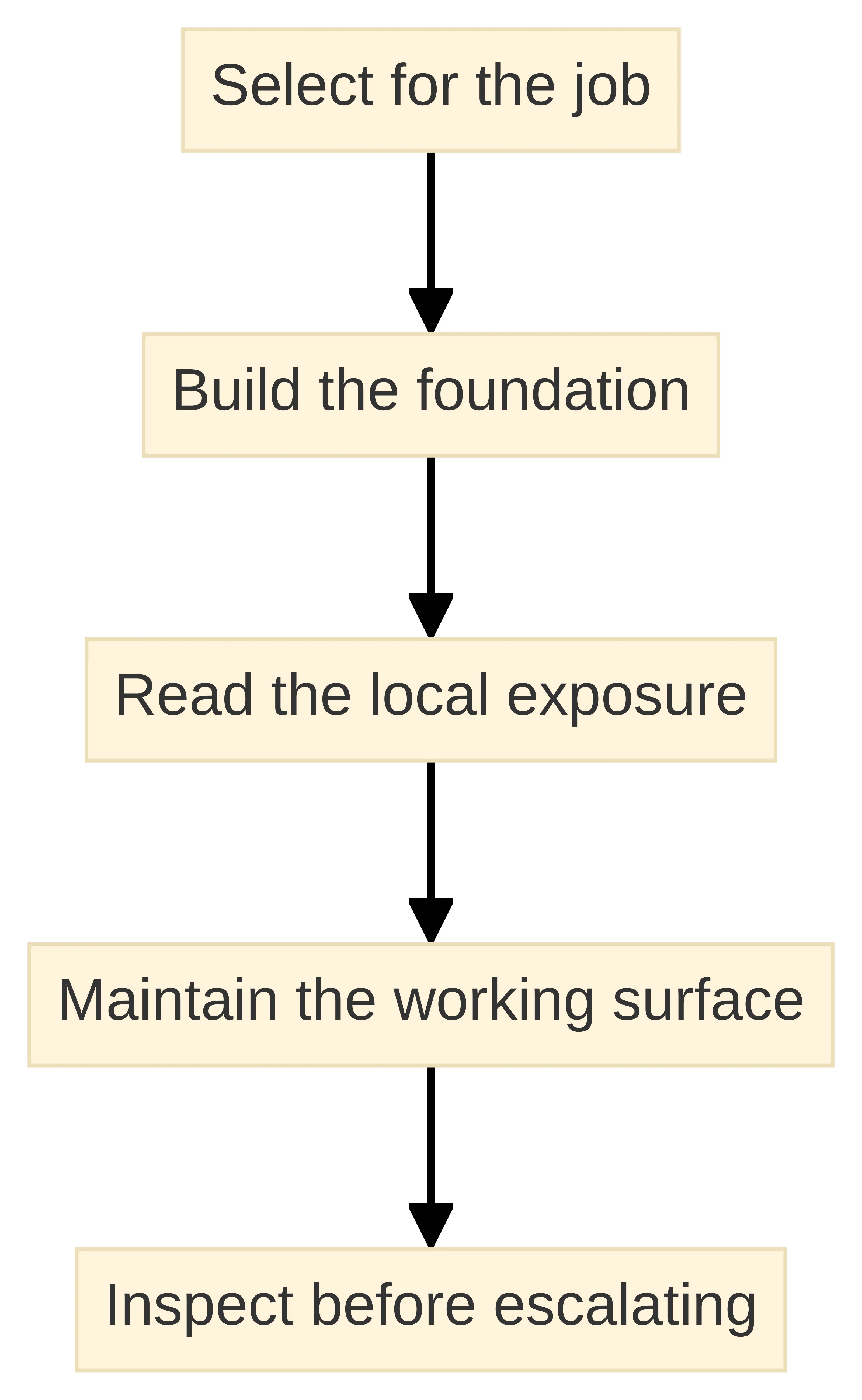
The durability path can be mapped like this:
- Select for the job. A residential lawn, active pet area, play space, and specialized surface receive different kinds of use.
- Build the foundation. A specification-compliant base, sound seams, suitable infill, and effective drainage help protect turf performance.
- Read the local exposure. Sun, heat, rain, freezing conditions, and winter weather affect how the system should be evaluated over time.
- Maintain the working surface. Cleaning, brushing, infill care, and minor repairs address ordinary upkeep needs.
- Inspect before escalating. Persistent wear, unevenness, or performance problems call for a condition review rather than an automatic replacement decision.
This framework gives you a more useful answer than a single number. It helps you compare the turf’s present condition with the demands of your own yard, whether you are planning a lawn in Overland Park, a backyard in Lee’s Summit, a pet area in Olathe, or another residential project in Kansas or Missouri.
Identify the turf-system choices that influence durability
The turf system establishes the starting point for durability. Product characteristics associated with durability include the yarn system, face weight and density, backing system, intended use, climate and sun exposure, installation quality, and maintenance. These characteristics work together rather than acting as a single quality score. A specification chosen for a low-traffic landscape area should not automatically be treated as the right match for an active dog run or a heavily used play space.
Yarn and density affect how the visible pile responds to use. A denser product may be considered differently from a lighter product when the area receives repeated activity, but density alone does not answer the whole durability question. The backing, infill, base, drainage, and installation also affect how the finished surface behaves. Ask which parts of the specification address your planned use instead of comparing one isolated product feature.
Start the product conversation with the job the surface must perform:
- For a lawn or landscaping area, describe the routine foot traffic, furniture, shade, and sun exposure.
- For a pet area, describe the number and activity level of the animals, the designated area’s size, and the cleaning routine.
- For a play space, describe expected foot traffic, the location, surrounding drainage, and existing surface conditions.
- For a specialized area, describe the activity itself rather than treating it as an ordinary lawn.
That is a use-specific selection point, not a promise that any product will remain unchanged under every condition.
Before choosing a system, ask what the yarn, face weight, density, and backing are intended to handle; how sun exposure is addressed; and whether the specification matches the traffic level you expect. Keep those answers with the project record. They give you a reference for later condition checks and help prevent a general lawn specification from being applied to a more demanding area.
Treat the base, seams, infill, and drainage as service-life factors
The visible turf depends on the installation beneath and around it. A specification-compliant base, sound seams, suitable infill, and effective drainage help protect turf performance. Professional installation is also important for artificial turf. These points matter because a surface can have an appropriate grass product and still require attention to the conditions that support it.
Ask how the base was prepared for the actual site and use. The base is part of the working system, not merely a layer hidden below the grass. Ask how seams and edges were handled as well. Sound seams help protect performance, so visible separation, movement, or an edge that no longer sits as intended should prompt documentation and a professional assessment. Treat that assessment as a way to identify the affected part of the installation, not as proof that the entire surface must be replaced.
Infill supports stability and the position of the grass fibers, but distribution matters. Uneven infill distribution can cause uneven surfaces, excessive compaction, and inconsistent performance across an installation. A stiff-bristled broom can be used to brush turf fibers upright and distribute infill evenly. If an area repeatedly becomes uneven after reasonable maintenance, record its location, activity level, and condition before asking what repair or correction is appropriate.
Drainage belongs in both installation planning and long-term care. Effective drainage helps prevent odors and supports proper pet-waste management, while effective drainage more generally helps protect turf performance. For a Kansas or Missouri property, ask how water moves through the planned area during heavy rain and how pet waste will be cleaned. A drainage concern is a site question that needs a property-specific answer; do not assume the same arrangement fits every yard.
Evaluate Kansas and Missouri weather as ongoing exposure
A Kansas City source states that its artificial grass is designed to resist wear from cold, wind, rain, and snow. That is a source-specific product claim, not a universal statement about every turf system. Use it as a reminder to ask what the selected product is designed to handle, how ultraviolet exposure is addressed, and what the installation needs during wet or freezing conditions.
Walk through the site’s exposure before you make a durability judgment:
- Mark areas that receive direct sun for much of the day.
- Note where heavy rain may test drainage or where water movement changes near hardscape.
- Record low spots, shaded sections, and transitions between turf and other surfaces.
- Ask how freezing weather and winter conditions should be handled for the selected system.
This screen does not predict a local service-life number. It identifies the conditions that should be included in product selection, installation planning, and later inspections.
Match durability expectations to how the area is used
Intended use matters because residential landscaping, pet areas, playgrounds, and sports surfaces face different exposure levels. Even within one home, a quiet side yard and a route used repeatedly by people or pets do not place the same demand on the turf. Define the area’s job before you ask how long it should last.
Build a simple use profile:
- Who uses the area: household members, children, pets, or guests?
- How often does activity occur, and is movement concentrated in one path?
- Does furniture, play equipment, or another object remain in one location?
- Does the area need routine cleaning because of animals or heavy use?
- Is the expected use changing as your household changes?
The answers help connect product selection, infill, maintenance, and inspection to actual conditions. They also help you avoid judging the whole installation by the least-used section or by a small area that receives most of the traffic.
Traffic intensity affects how you interpret surface changes. Flattened fibers, compacted infill, or uneven areas along a repeated route deserve a closer look because uneven infill distribution can produce uneven surfaces and inconsistent performance. Start with care that is supported for the system, then ask for an assessment if the condition persists. Do not transfer a moderate-traffic example to a high-use area without matching the underlying conditions.
For play spaces, record the location, expected foot traffic, surrounding drainage, and surface conditions instead of assuming that a general lawn specification will fit. The same discipline helps with a residential lawn: identify what the surface must tolerate, where use is concentrated, and which conditions could affect its appearance or performance.
Give pet areas a separate durability and drainage check
Keep the pet-area plan specific:
- Define the portion of the yard used most often.
- Describe the number, size, and activity level of the animals.
- Set out how solid waste will be removed and how the area will be cleaned.
- Ask how drainage and odor management relate to the installation.
- Include cleaning and minor repairs in the maintenance budget.
This plan gives you a basis for discussing resilience and upkeep. It does not establish a universal lifespan for pet turf, since use, weather, installation, and maintenance still vary from property to property.
If a pet area develops a recurring odor, uneven surface, or visible wear pattern, record when it appears and where it is concentrated. Use that information to ask whether cleaning, infill care, drainage work, a minor repair, or a broader assessment addresses the condition. Avoid treating one symptom as proof that the entire installation has reached the end of its usable service life.
Use routine care to preserve appearance and performance
Artificial turf still requires maintenance to keep the lawn looking good after installation. We recommend budgeting for maintenance that includes cleaning and minor repairs to help extend its lifespan. Lower routine work than natural grass does not mean no upkeep; it means your care plan changes from mowing and watering to surface cleaning, fiber care, infill management, and attention to localized problems.
Brushing is one practical part of that plan. Use a stiff-bristled broom to brush turf fibers upright and distribute infill evenly. Regular brushing and aerating can help maintain infill distribution and prolong an installation’s lifespan. Follow the system’s care requirements and pay attention to high-use paths, because a single schedule may not address every section equally.
Organize routine care around the conditions you can observe:
- Remove debris so organic material does not remain on the surface.
- Clean areas that receive pet waste or other material requiring regular attention.
- Brush fibers upright and distribute infill where use has changed the surface.
- Watch for compaction, unevenness, or inconsistent performance.
- Record minor repairs and recurring trouble spots in a simple maintenance log.
Tie care to Kansas and Missouri exposure. After periods of heavy rain, look at how the area handles water. During hot, sunny periods, pay attention to visible changes in the exposed sections. During freezing weather and winter conditions, keep the surface’s use and care consistent with the selected system’s requirements. For pet areas, connect cleaning to drainage and odor management rather than treating those tasks as separate concerns.
A maintenance budget should account for ordinary cleaning and minor repairs. That budget is part of the ownership decision because it keeps upkeep visible after installation. Ask what care the selected system needs, which tasks you can handle, and what conditions should lead to a professional assessment. A clear division of routine care and repair questions is more useful than assuming that artificial turf remains unchanged without attention.
Key Highlights
Keep these points in view as you compare an artificial turf project with continued natural-grass maintenance:
- There is no single universal lifespan. Artificial turf’s service life can vary with maintenance and environmental factors.
- The system matters. Yarn, density, backing, intended use, climate, sun exposure, installation quality, and maintenance all influence durability.
- The foundation matters. A compliant base, sound seams, suitable infill, and effective drainage help protect performance.
- The use matters. Residential lawns, pet areas, play spaces, and other applications face different exposure levels.
- The weather matters. Heat, heavy rain, freezing weather, ultraviolet exposure, and winter conditions belong in the evaluation.
- Care matters. Cleaning, brushing, aerating, infill management, and minor repairs support ongoing condition checks.
- The condition decides the next step. Persistent unevenness, compaction, inconsistent performance, or a localized problem calls for assessment before replacement.
The useful decision is not whether turf comes with a universal expiration date. It is whether the proposed system, installation approach, maintenance plan, and use profile fit your property. If you can describe those four parts clearly, you can ask more precise questions about durability in Kansas or Missouri.
Inspect the turf before deciding on care, repair, or replacement
Inspect the turf as a working surface before you decide that it needs replacement. Start with the areas that receive the most sun, traffic, pet activity, or water exposure. Compare them with lower-use areas, then describe the difference. A condition that is isolated to one route, seam, edge, or drainage area may call for a different response from broad, persistent deterioration across the installation.
Look for observable changes without turning them into an automatic diagnosis:
- Fibers that remain flattened after appropriate brushing.
- Infill that has become uneven or compacted in a recurring area.
- A surface that feels or appears uneven compared with surrounding sections.
- Performance that seems inconsistent across the installation.
- A seam or edge that needs closer review.
- A pet area where cleaning or odor management no longer works as planned.
- Water movement after heavy rain that raises a drainage question.
Uneven infill distribution can cause uneven surfaces, excessive compaction, and inconsistent performance. Effective drainage helps prevent odors and supports pet-waste management. Those supported connections explain why the observation matters, while the appropriate repair still depends on the property and installation.
Create a short inspection record for each concern:
- Mark the location on a simple yard sketch or photograph.
- Describe the visible condition and the activity that occurs there.
- Note recent weather or cleaning conditions that may be relevant.
- Record what routine care was attempted and what changed afterward.
- Separate the affected area from sections that still perform as expected.
This record makes a repair discussion more specific. It also helps you avoid replacing an entire surface when the unresolved question concerns a localized condition, while leaving room for a broader assessment when the problem is widespread.
Ask for a professional assessment when you cannot identify whether the problem is in the fibers, infill, seams, base, drainage, or another part of the installation. Professional installation is important for artificial turf; consider an experienced professional installer for artificial grass installation. The practical boundary is clear: use routine care for supported maintenance tasks, and use a property-specific assessment when the cause or scope of a problem is uncertain.
Keep warranty language separate from usable lifespan
A warranty period is not the same thing as a prediction of usable service life. One warranty guide says most manufacturers offer product warranties of up to 15 years, with coverage limitations that must be reviewed. The same warranty source says its described warranties cover professionally installed materials but exclude removal and reinstallation. Those conditions matter before you use a warranty number in a durability decision.
A warranty describes the coverage offered under stated terms. Service life describes how long the installed surface continues to meet your needs. The two may overlap, but neither should be substituted for the other. A product can remain usable after a warranty period, while a surface can also require attention before that period ends because use, maintenance, installation, or environmental conditions differ from the coverage assumptions.
When warranty language enters the conversation, ask:
- What material or condition does the warranty cover?
- Does professional installation affect coverage?
- Are removal and reinstallation excluded?
- What maintenance or use conditions apply?
- Does the term address the full installed system or only specified materials?
- How does the selected product’s intended use compare with your property’s actual use?
Keep the answers with the specification and installation record. Do not turn a coverage term into a promised replacement date.
Treat longer service life as a conditional example, not a promise
One selected turf warranty guide reports that quality, professionally installed turf in moderate- to low-traffic conditions can last more than 20 years when it is kept free of debris, groomed, and free of organic materials and odors. That statement is conditional. It describes a source-specific example tied to product quality, professional installation, traffic level, and maintenance conditions.
Do not apply that example automatically to a high-use pet area, a play space, or a location with different weather exposure and drainage conditions. Intended use, climate, sun exposure, installation quality, and maintenance all affect durability. The more useful conclusion is that longer service life is possible under stated conditions, while your property still needs its own system and condition review.
Use the conditional example as a question prompt:
- Does your planned traffic resemble moderate or low traffic?
- Can you maintain the surface and keep it free of debris and organic material?
- Does the product and backing suit the intended use?
- Was the installation designed around the base, seams, infill, and drainage?
- Will heat, ultraviolet exposure, rain, freezing weather, and winter conditions be part of the ongoing evaluation?
If the answer changes from one area of the yard to another, set separate expectations instead of assigning one lifespan to the entire property.
Prepare the durability questions for a property-specific review
Prepare a property record before discussing an artificial turf project or an existing surface. A useful record connects the site to the durability questions that a general lifespan statement cannot resolve. Include the location, the area’s intended job, expected use, exposure, drainage concerns, and the care routine you can maintain.
Include these details:
- Location and area: Identify the city or county, approximate dimensions, and whether the area is a lawn, backyard, pet zone, play space, or another use.
- Use intensity: Describe household traffic, pets, children, furniture, play equipment, and paths that receive concentrated movement.
- Weather exposure: Note direct sun, shade, wind exposure, heavy-rain concerns, freezing conditions, and winter exposure.
- Water movement: Describe the grade, nearby hardscape, low areas, existing drainage, and how pet-waste cleaning would work.
- Existing surface: Record uneven areas, compacted sections, visible wear, seams, edges, and conditions that change after brushing or cleaning.
- Care plan: List the cleaning, brushing, aerating, and minor-repair tasks you expect to handle.
- Product questions: Ask about yarn, density, backing, intended use, infill, base preparation, seams, and drainage.
For an existing installation, add photographs and dates to show how a condition changes. For a planned installation, ask how the selected system and installation approach respond to your actual use profile. Experienced professional installers can help with the installation process, while a property-specific review can address the site conditions that general product language cannot settle.
Use these final questions to organize the discussion:
- Which part of the system is expected to carry the main durability demand?
- How will the base, seams, infill, and drainage be assessed or prepared?
- Which maintenance tasks preserve the intended appearance and performance?
- What condition would call for routine care, a minor repair, or a broader assessment?
- Which warranty terms apply, and what do they exclude?
- How should expectations change between a lightly used lawn and an active pet or play area?
The answers should describe conditions and actions, not promise a fixed number of years.
Use the unresolved durability question to choose your next project step
Artificial turf can be a long-term outdoor-surface option, but its useful service life depends on the complete system and the way you use and maintain it. Judge the condition of the turf by appearance and performance, then connect any concern to the likely area of the system: product selection, base, seams, infill, drainage, weather exposure, traffic, pets, or care. A maintenance plan that includes cleaning and minor repairs keeps those questions visible over time.
If the unresolved question depends on your property’s grade, drainage, use intensity, existing surface, or installation condition, a site-specific review is the appropriate boundary. Gather your use profile, weather and drainage observations, maintenance expectations, and any photographs so the project discussion can address the actual area rather than rely on a universal lifespan assumption.
What should a Kansas or Missouri homeowner ask before evaluating artificial turf lifespan?
What factors influence the lifespan of artificial turf?
The lifespan of artificial turf is influenced by several factors including installation quality, maintenance practices, environmental exposure (such as heat, rain, and UV light), traffic intensity, and the intended use of the turf (e.g., residential lawns, pet areas, or playgrounds).
How can I maintain my artificial turf to extend its lifespan?
To extend the lifespan of artificial turf, regular maintenance is essential. This includes cleaning debris, brushing the fibers to keep them upright, managing infill distribution, and addressing any drainage issues. Routine care helps preserve both the appearance and performance of the turf.
What should I look for to determine if my artificial turf needs repair or replacement?
Signs that artificial turf may need repair or replacement include persistent unevenness, visible wear patterns, compacted areas, or drainage problems. If maintenance efforts do not resolve these issues, a professional assessment may be necessary.
How does pet use affect the choice of artificial turf?
When selecting artificial turf for pet areas, it’s important to consider the level of activity, size of the area, and cleaning needs. Active dogs may require more resilient turf that can withstand vigorous use without showing wear.
What maintenance tasks should I budget for after installing artificial turf?
Homeowners should budget for routine maintenance tasks such as cleaning, brushing, and minor repairs to keep the artificial turf in good condition and extend its lifespan.