
Start with the traffic pattern, not the lawn material
High traffic lawn alternatives are best screened by how your yard is used, not by the material label alone. A front lawn that receives a few walking routes has a different job from a back yard used for daily play, gatherings, pets, or repeated shortcuts between the driveway and the house. Expected use, maintenance capacity, budget, climate, installation cost, and household preferences all belong in the first comparison.
Natural turf shows why the traffic pattern matters. Heavy or repeated traffic can compact natural turf and create bare spots. That description does not decide whether artificial grass fits your property; it identifies a performance question for a site-specific review.
Start by mapping the work your yard must do:
- Mark the routes you use every day, including paths to gates, garages, patios, play areas, and outdoor storage.
- Identify concentrated activity such as ball play, gatherings, dog exercise, or a place where vehicles or equipment may cross the lawn.
- Note whether the surface must look consistent after use or whether seasonal wear and recovery are acceptable to you.
- Decide how much mowing, watering, fertilizing, cleaning, and spot repair you are prepared to handle.
This first map keeps a high-traffic lawn decision practical in Kearney, Kansas City, Overland Park, Olathe, Lee’s Summit, and nearby communities. The right comparison is the one that tests your actual routes, pressure points, site conditions, and upkeep priorities.
Define what high traffic means for your yard
High traffic means repeated or concentrated use that can expose the limits of a surface, not a universal number of footsteps. A yard can become high traffic because the same narrow route is used every day, because several activities overlap, or because pets and people remain in one area for long periods. The useful question is how much pressure reaches the same ground and how quickly you expect the surface to recover or be maintained.
Use four measures to describe your own traffic pattern:
- Frequency: Record whether use is occasional, daily, or spread across most days of the week. A seasonal change matters too. A lawn may receive little use during part of the year and concentrated use during another period.
- Concentration: Separate broad, distributed walking from a narrow path or a small play zone. Concentrated use puts more demand on one area than the same number of steps spread across a larger lawn.
- Activity: Walking, running, play, furniture, parties, and dog exercise create different expectations for appearance, traction, cleanup, and wear. Active dogs may require more resilient grass that can withstand vigorous activity without showing visible wear.
- Recovery and upkeep: Decide whether you will accept bare or compacted patches, reseeding, watering, mowing, cleaning, or other recurring work between periods of use.
Natural turf gives you a clear boundary: overuse and excessive traffic can lead to compaction and bare spots. In Kansas City, tall fescue is described as having high foot-traffic tolerance, but it also requires seasonal mowing one or two times weekly and has low-to-moderate maintenance needs. High traffic therefore does not automatically mean that natural turf is unsuitable; it means the species and maintenance plan must match the demand.
Write the result as a short use statement: for example, a daily walking route with occasional gatherings, a play lawn with active pets, or a mostly decorative front lawn with one narrow shortcut. That statement gives every alternative the same job to answer.
Map the yard by traffic pressure before comparing surfaces
High-traffic lawn planning starts with a map of pressure points, not a verdict about one material. Divide the property into zones such as the main lawn, a shortcut, a play area, a dog route, or a gathering space. For each zone, record the expected number of uses, whether use is concentrated on the same strip, and what would make the zone unacceptable: bare spots, upkeep burden, drainage concerns, appearance, or cost.
Use that record to separate three choices that are often collapsed into one:
- Managed natural turf: Midwestern options include Kentucky bluegrass, perennial ryegrass, tall fescue, fine-leaf fescue, creeping bentgrass, and zoysiagrass. These grasses differ in growth habit, appearance, and maintenance requirements. Heavy or repeated traffic can compact natural turf and create bare spots, so species and care need to match the zone.
- Lower-maintenance living coverage: Buffalograss is a low-mowing option for sunny, well-drained sites, while other living alternatives may suit different parts of a property. These choices still require a climate, traffic, soil, and upkeep review; lower mowing alone does not establish high-traffic suitability.
- Artificial grass: Treat the surface and its installation as one system. Site preparation, grading, drainage design, and base compaction affect the project, while upkeep remains necessary and upfront cost may exceed that of a natural lawn.
The comparison output is a zone-by-zone shortlist. A surface can remain under consideration for one zone while another needs a different option or more information. That is more useful than treating high traffic as a single property-wide label.
Key Highlights
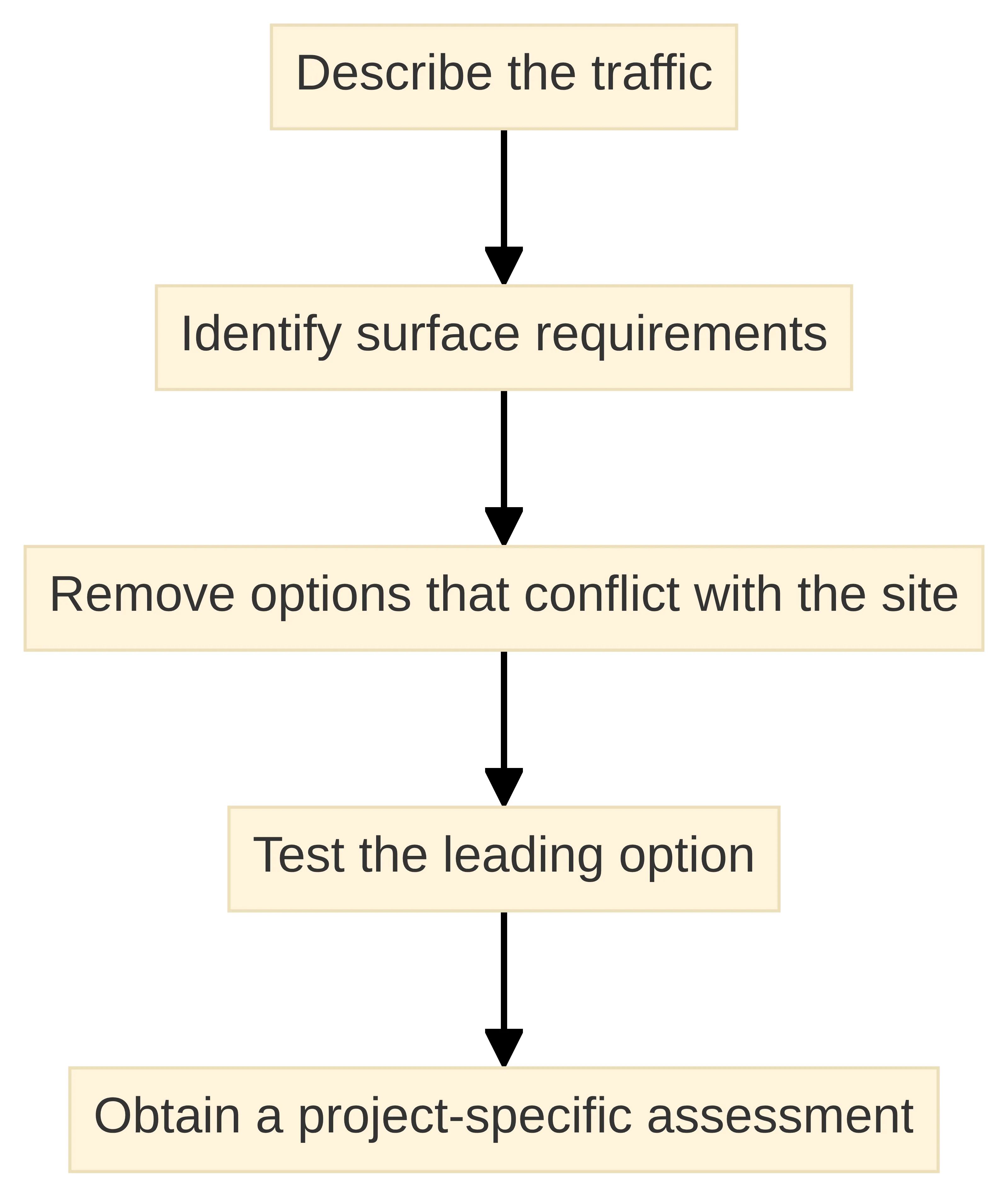
Five decision points should guide your comparison:
- Traffic is the starting specification. Expected use, maintenance capacity, budget, climate, installation cost, and household preferences all affect the choice. Heavy traffic can compact natural turf and create bare spots.
- Natural turf remains a real benchmark. It can infiltrate water into soil and may have cooler surface temperatures than synthetic turf in an athletic-field comparison, but the result depends on conditions. Species selection and irrigation availability matter.
- Living alternatives need a local use screen. A 2026 estimate places water savings for many living alternatives between 20% and 70%, but that range is not a property-specific prediction for Kansas or Missouri. Match the option to your climate and traffic before using a general figure.
- Artificial grass is not maintenance-free. Litter and moss still need attention, and plastic fragments entering soil are a stated concern. Artificial grass may also cost more upfront than natural lawn, while its service life varies with maintenance and environmental factors.
- The installation system matters. Grading, drainage design, site preparation, and base compaction affect settling and performance. A small test area can help you assess appearance and maintenance before a full conversion, while a professional assessment is the appropriate next step for most residential artificial-grass projects.
These points do not produce a universal winner. They produce a shorter list of surfaces that deserve a closer look on your property.
Use Kansas City living turf as the first benchmark
Natural turf should be your first benchmark when you want a living lawn and are willing to manage species-specific care. Midwestern turfgrass choices include Kentucky bluegrass, perennial ryegrass, tall fescue, fine-leaf fescue, creeping bentgrass, and zoysiagrass. They vary in growth habit, appearance, mowing, irrigation, fertilizing, cultivation, and pest-control needs, so the category natural grass is too broad to answer a property question by itself.
Tall fescue provides a useful Kansas City reference point. It is characterized by high foot-traffic and drought tolerance, with low-to-moderate maintenance. Seasonal mowing one or two times per week is typical during its growing seasons. That combination may suit you if seasonal mowing and a living appearance fit your routine. It does not eliminate the need to examine shade, soil, irrigation, and the exact areas receiving repeated use.
Natural grass also has drainage and environmental characteristics that artificial surfaces do not share in the same way. Natural grass can allow water to infiltrate soil and may reduce surface-water runoff. Natural grass may also have cooler surface temperatures than synthetic turf, although surface temperature depends on conditions. Other possible benefits include biodiversity support, erosion reduction, lower surface temperatures, and carbon storage.
Water demand belongs in the same comparison. In the United States, natural grass can require up to 1 million gallons per year, but actual use varies by site and conditions. Treat that as a broad national figure, not as a forecast for your yard in Kearney or Kansas City. The practical question is whether you have the irrigation availability, species choice, and maintenance capacity needed for the result you want.
Use natural turf as a candidate when these conditions align:
- You want a living surface and accept mowing, irrigation, and seasonal care.
- You can select a species for local climate, irrigation availability, drought resistance, and seasonal extremes.
- You can tolerate the possibility that repeated use will require management of compaction or bare spots.
- Your drainage and soil conditions support the chosen grass rather than working against it.
If the same route repeatedly fails under natural turf, document that failure before moving to another material. The record will make the alternatives comparison more specific.
Separate low-maintenance living alternatives from ordinary turf
Lower-maintenance living alternatives are still living surfaces, so compare them with ordinary turf by the work they reduce and the conditions they require. A lower mowing schedule does not automatically solve concentrated foot traffic, shade, drainage, appearance, or seasonal change. Each option needs the same use statement you created for the rest of the comparison.
Buffalograss illustrates the site screen. It generally requires infrequent mowing, prefers full sun and well-drained soil, and may perform poorly with excess moisture or high rainfall. That makes it a candidate for a sunny, well-drained area where you can accept its growth and appearance characteristics. It is not a blanket answer for a damp, shaded, or heavily concentrated route.
A 2026 estimate places water savings for many living alternatives between 20% and 70%, with specific estimates of 50% for clover and 70% for established meadow lawns. Those figures are general estimates and should not be transferred to your Kansas or Missouri property as a promised result. Establishment, local conditions, species, irrigation, and the way you use the lawn all affect the practical outcome.
Living alternatives can also be combined by function. You might keep a living surface in an area where appearance and ecological function matter, use a more durable route treatment where people repeatedly walk, and reserve planting areas for portions of the property that do not need to function as a lawn. Match each alternative to climate and usage patterns, and combine solutions for different parts of a property when one surface cannot meet every demand.
Use a living alternative as a serious candidate when:
- Its sunlight, soil moisture, and drainage requirements match the proposed location.
- Its mature appearance and growth habit fit your expectations.
- Its traffic tolerance is acceptable for the actual activity rather than the label on the seed or plant.
- You are prepared for establishment and recurring care, even if mowing or irrigation may be reduced.
For a high-use route, ask what happens after repeated traffic, wet conditions, or a period when maintenance is delayed. If the answer depends on conditions that are not present on your site, keep the option in the comparison but do not treat it as the leading choice yet.
Position artificial grass as the consistent-surface option to investigate
That first-party description identifies the intended use range; it does not guarantee a result for a particular yard.
Installation scope and ongoing care also belong in the comparison. A lower-maintenance goal does not mean that all recurring work disappears.
Artificial grass still requires upkeep such as removing litter and moss. Plastic fragments entering soil are also a stated concern. Those points belong in the decision because they affect cleanup, environmental priorities, and how you feel about replacing living coverage with a manufactured surface. They do not by themselves determine whether the surface fits your property.
Installation quality is part of the product you are evaluating. For most residential projects, professional installation is recommended because site preparation, grading, drainage design, base compaction, and weed-barrier installation require expertise. Mistakes in those areas can cause drainage problems, settling, or premature failure. Artificial-turf lifespan also varies with maintenance and environmental factors, so avoid treating a material label as a fixed service-life promise.
Select the artificial-grass specification around the work the area must perform. We recommend choosing a grass type based on your aesthetics, durability requirements, and intended application, such as landscaping or sports. If active dogs will use the area, more resilient grass may be needed to withstand vigorous activity without visible wear. A general lawn, a pet area, and a specialized play or sports zone should not be assumed to need the same specification.
Artificial grass is worth moving forward in your comparison when you can answer four questions:
- Which traffic pattern must the surface handle?
- What drainage and grading conditions will the installation need to address?
- What upkeep will you still perform after installation?
- Which appearance, use, pet, and budget requirements are non-negotiable?
If those questions remain open, artificial grass is an option to investigate, not a conclusion to purchase.
Compare surfaces at the pressure points that matter
Compare each surface against the pressure statement for a particular zone. The question is not only whether a material is exposed to traffic, but what maintenance, drainage, appearance, and cost trade-off follows.
| Criterion | Natural turf | Lower-maintenance living alternatives | Artificial grass |
|---|---|---|---|
| Traffic response | Heavy or repeated traffic can compact turf and create bare spots. Species selection and maintenance affect the response. | Performance depends on the species, climate, site, and use pattern. A lower mowing requirement does not by itself establish traffic tolerance. | Assess the use pattern together with site preparation and ongoing upkeep; lifespan varies with maintenance and environmental factors. |
| Routine upkeep | Midwestern turfgrass varies in mowing, irrigation, fertilizing, cultivation, and pest-control needs. A Kansas City guide describes seasonal mowing one or two times weekly for tall fescue. | Buffalograss generally needs infrequent mowing in suitable sunny, well-drained conditions. Other living choices require their own care review. | Litter and moss still require attention, so artificial grass is not maintenance-free. |
| Drainage and water | Natural grass can allow water to infiltrate soil and may reduce surface-water runoff. Water demand varies by species and conditions. | Moisture requirements differ. Buffalograss may perform poorly with excess moisture or high rainfall. | Drainage depends on site preparation, grading, drainage design, and base compaction rather than the surface label alone. |
| Heat and appearance | Natural grass may have cooler surface temperatures than synthetic turf in the cited athletic-field comparison. Appearance varies by species and care. | Growth habit, sunlight, moisture, and seasonal conditions can change the visual result. | Heat comparisons depend on conditions. |
| Upfront and continuing cost | The relevant comparison includes ongoing mowing, irrigation, and care rather than material price alone. | Establishment and recurring care depend on the selected living option and site. | An artificial-grass project may cost more upfront than a natural lawn; compare the complete installation and continuing care. |
| Wear and service life | Wear can appear as compaction or bare spots when use exceeds the turf plan. | Establishment and response to traffic vary by option and conditions. | Lifespan varies with maintenance and environmental factors, so a fixed service-life expectation is not appropriate. |
Read each row against a named zone. A narrow shortcut may put repeated-use response first; a dog area adds cleanup and vigorous-activity questions; a front lawn may give more weight to appearance and routine care. If the same zone creates conflicting requirements, leave it unresolved until the site conditions or intended use are clearer instead of averaging the whole property.
Diagnose household and site pressures by zone
Complete a pressure record for each zone before comparing materials. This keeps a high-traffic route, a play area, and a lightly used viewing area from receiving the same recommendation.
- Frequency and concentration: Note the expected number of uses and whether people or pets repeatedly follow the same narrow route. Separate occasional use from a daily shortcut or concentrated play area.
- Use and user: Record whether the zone is for walking, play, pets, entertaining, appearance, or several purposes. Active dogs may require more resilient grass capable of withstanding vigorous activity without visible wear.
- Ground conditions: Identify slope, settling, standing-water concerns, existing drainage paths, and transitions to patios, paths, gates, or planting beds. These conditions matter to an artificial-grass installation because preparation, grading, drainage design, and base compaction are part of the result.
- Climate and moisture: For natural and living options, consider local climate, irrigation availability, drought resistance, seasonal extremes, sunlight, and soil moisture. Buffalograss, for example, prefers full sun and well-drained soil.
- Care and budget: Record the upkeep you will perform after installation and separate the available installation budget from continuing care costs. Synthetic grass may cost more upfront, while natural and living options can require recurring mowing, irrigation, or establishment work.
- Decision consequence: State what would make the zone acceptable and what would remove an option. Examples include visible bare spots, a cleaning burden, unresolved drainage, or a surface that does not fit the intended use.
Mark each zone as a candidate, unresolved, or removed from consideration. A zone with an unanswered drainage, use, or upkeep question should not be treated as suitable merely because its material category appears attractive.
Run a representative pressure-point trial
Test the pressure point, not a convenient corner. If practical, use a 100-square-foot area that represents the proposed surface, exposure, and use pattern. The purpose is to record how the sample fits the stated use and care requirements, not to establish that every zone will perform the same way.
Record the zone, expected users, exposure, and the question the sample must answer. For a natural or living option, note appearance, care demands, and any signs of compaction or bare spots after the relevant use pattern. For artificial grass, note visual appeal, litter or moss upkeep, and whether the manufactured surface fits the intended use.
Keep observations tied to the pressure record:
- Does the sample remain acceptable after the uses you described?
- What routine work does it require, and how often do you perform it?
- Do moisture, drainage, cleanup, or appearance questions remain unresolved?
- Does the option still fit the budget and care commitment for this zone?
A sample cannot answer questions about the full property’s grading, drainage, base preparation, or transitions. If a test area is not practical, use an existing comparable zone and record why its traffic and site conditions are relevant. Do not transfer an observation from a lightly used area to a pressure point without explaining the difference.
Turn the trial into a zone record that can be compared with the records for other surfaces. Write down the zone, the people or pets expected to use it, the activities that create pressure, and the conditions that matter there. Include whether use is spread across the area or concentrated on one route, because the same activity may create different demands when it is confined to a narrow strip.
For each candidate, record the work required during the trial rather than relying on a general label. For natural turf, note mowing, watering, fertilizing, or spot-repair requirements that arise under the planned use. For a lower-maintenance living option, note establishment needs, soil moisture, sunlight, drainage, and the care required to keep the area acceptable. For artificial grass, record litter or moss removal and any upkeep that remains after installation. These observations describe the trial zone; they do not establish a fixed maintenance schedule for the entire property.
Keep a separate entry for ground and water conditions. Note standing water, slow drainage, settling, slope, transitions, and any route where runoff or access could affect the project. An artificial-grass sample cannot demonstrate how the complete base, grade, or drainage design will perform. A living surface may also respond differently where soil moisture, sunlight, or seasonal conditions change. Mark each unanswered condition instead of treating an inconclusive trial as a resolved result.
Add a household-fit entry for each candidate. Record whether the surface supports the intended walking, play, pet, or gathering use; whether its appearance and growth or surface characteristics fit household expectations; and whether the care commitment remains acceptable. If more than one activity occurs in the zone, keep those activities separate in the notes so that a result for ordinary walking is not treated as a result for vigorous pet activity or repeated gatherings.
At the end of the trial, classify the candidate as continuing, unresolved, or removed for that zone. Continue it when the use, care, ground, and household records remain consistent with the project requirements. Leave it unresolved when a drainage, installation, traffic, or upkeep question still controls the decision. Remove it when a documented condition conflicts with a stated requirement, such as a site moisture condition that does not fit the living option or an ongoing care burden that the household will not take on.
Carry the unresolved entries into a professional discussion or estimate rather than filling them with assumptions. For an artificial-grass project, the zone record should sit beside questions about preparation, grading, drainage, compaction, transitions, surface selection, and ongoing care. For a natural or living candidate, it should identify the species or option, local conditions, and recurring work that still need review. The record therefore supports a property-specific decision without turning a small sample into a promise about every part of the lawn.
Evaluate site-controlled pressure points professionally
Professional evaluation matters most where traffic pressure meets ground conditions. DIY artificial-grass installation may be feasible for a small, flat area if you have basic tools and patience. Seek an assessment before choosing artificial grass when a pressure zone has one or more of these conditions:
- A repeated route crosses a slope, settling area, or standing-water concern.
- One zone must support walking, play, pets, or gathering at different times.
- The proposed work covers several connected zones or requires transitions to patios, paths, gates, or planting beds.
- The existing ground condition is uncertain, or the base preparation and compaction plan is unclear.
- A test area does not represent the route or concentrated use that drives the decision.
The assessment should connect the traffic record to the ground beneath the surface. Errors in base compaction, slope, or weed-barrier installation can contribute to drainage problems, settling, and premature turf failure. A material sample cannot answer those construction questions by itself.
Hall Turf recommends assessing specific needs and consulting professionals when exploring artificial-grass installation options. Bring the zone map, traffic observations, photos, measurements, pet and use requirements, drainage concerns, and test-area notes so the discussion addresses the property rather than only a product category.
An assessment does not require every zone to use artificial grass. It can leave a managed natural lawn, a lower-maintenance living option, or a mixed-surface plan under consideration where those choices better match the zone record.
Make the estimate resolve each high-use zone
Make the estimate answer the questions raised by each high-use zone. A useful scope should identify where traffic is concentrated, what the ground requires, and which parts of the property should remain outside the artificial-grass project.
Use these questions during an artificial-grass evaluation:
- Zone boundaries: Which exact areas are included, and what expected traffic, pet, play, or gathering use must each area support?
- Pressure points: How will the proposed surface address repeated routes, concentrated activity, and transitions between different uses?
- Existing conditions: What must be removed, repaired, excavated, or retained before installation begins?
- Base and grade: How will the base be prepared and compacted, and how will slopes, settling, and transitions be handled?
- Drainage: What site conditions were observed, and what drainage design is included for each proposed zone?
- Surface selection: Which grass type matches the appearance, durability requirements, and intended application recorded for that zone?
- Ongoing care: What cleaning, litter removal, moss management, or other routine upkeep should be expected after installation?
- Service-life assumptions: Which maintenance and environmental factors could affect the turf’s lifespan?
- Comparison boundary: Which parts of the property should remain natural, living, or hardscaped instead of being included in the artificial-grass scope?
The estimate should let you compare the complete project by zone rather than two material labels. If drainage, preparation, use requirements, or the boundary between surfaces remains unanswered, keep that zone unresolved until the missing point is addressed.
Choose a surface zone by zone
Choose a surface by zone, using the traffic record rather than a whole-yard label. A natural-turf candidate should have a species and care plan that fit its use. A lower-maintenance living candidate should match the zone’s sunlight, moisture, climate, appearance, and traffic conditions. An artificial-grass candidate should have acceptable upkeep, a workable response to the intended use, and installation details that address grading, drainage, and base preparation.
Keep a zone unresolved when its traffic pattern, site condition, budget, or care requirement is still unclear. Use the pressure-point trial where practical, and seek a professional site assessment when construction conditions could control the result. A property can reasonably use different surfaces for different zones rather than forcing one material across the entire lawn.
Hall Turf offers artificial-grass installation and free estimates for Kansas and Missouri homeowners. If artificial grass remains under consideration, request a free quote from Hall Turf.
What should homeowners confirm before requesting an artificial-grass estimate?
What factors should I consider when choosing a high-traffic lawn alternative?
Evaluate expected traffic patterns, maintenance capacity, budget, climate, installation costs, and household preferences before selecting a surface.
How does natural grass perform under high traffic conditions?
Natural grass can compact and develop bare spots under heavy or repeated traffic, so species selection and maintenance are crucial for managing its performance.
What are the maintenance requirements for artificial grass compared to natural grass?
Artificial grass requires upkeep such as litter and moss removal, while natural grass typically needs regular mowing, watering, and fertilization.
When is professional installation recommended for artificial grass?
Professional installation is advisable for most residential projects due to the expertise required in site preparation, grading, drainage design, and base compaction.
How can I test if a lawn alternative is suitable for my property?
Consider creating a 100-square-foot test area to assess maintenance and visual appeal under your specific conditions before a full conversion.
What are the benefits of using lower-maintenance living alternatives?
Lower-maintenance living alternatives can reduce mowing frequency and water usage, but they still require site-specific considerations for sunlight, moisture, and traffic tolerance.
What should I do if I have pets and want to choose a lawn alternative?
For active dogs, select a more resilient grass type that can withstand vigorous activity without showing visible wear, and consider the cleaning and maintenance needs associated with pet use.