
Use a species-and-site screen for a short lawn
“Short grass that doesn’t need mowing” is best treated as a screening problem for a Kansas or Missouri yard. Start with four signals: mature height, growth habit, light exposure, and how much living-plant care you will accept. This separates low-mow grasses from groundcovers and from artificial turf before a product or installation discussion.
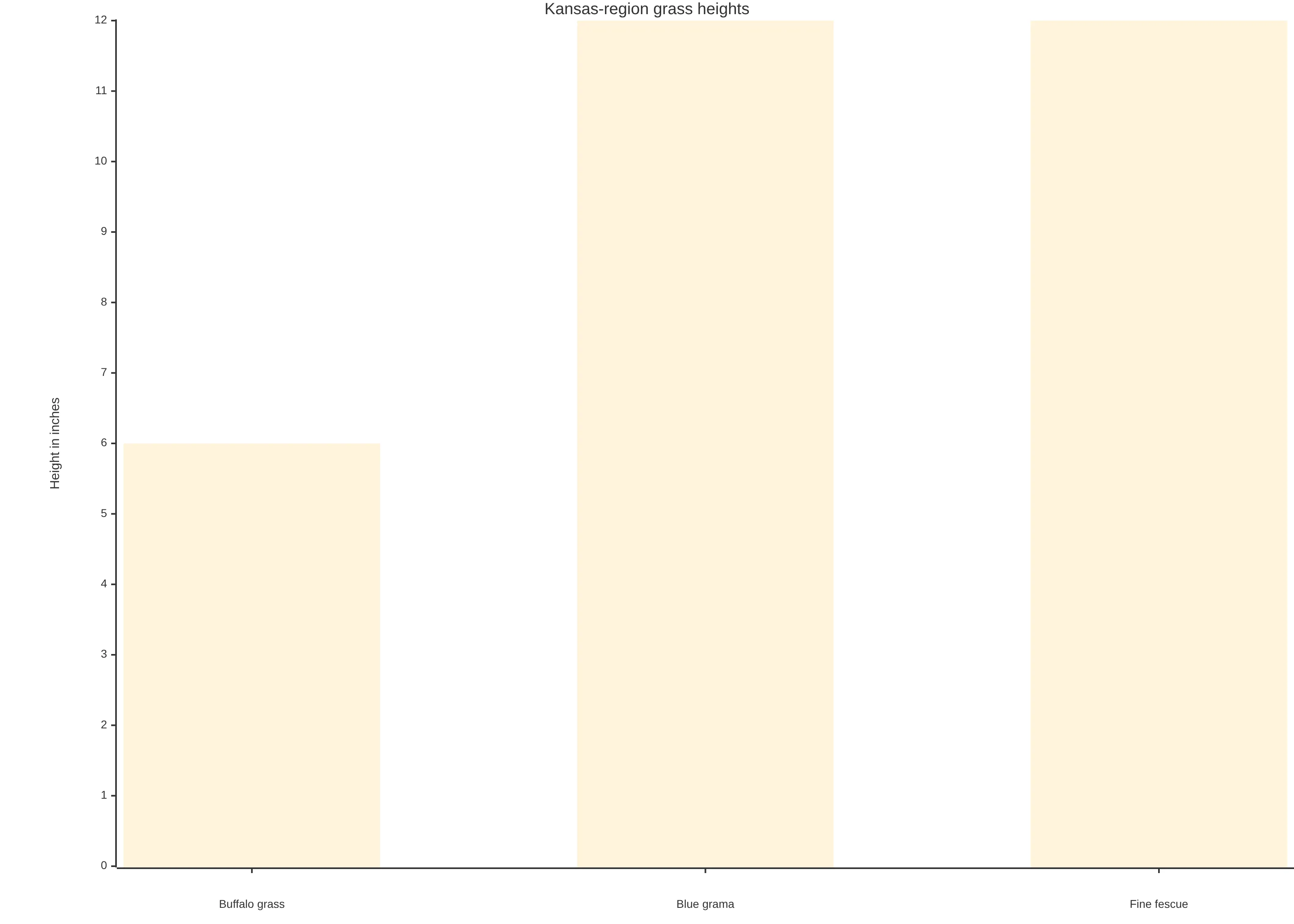
The species evidence supports different starting points. Buffalo grass is described at about 4–6 inches and needs very little maintenance once established. Blue grama reaches around 6–12 inches, tolerates drought, and requires minimal mowing. Fine fescue belongs in a separate screen for shady or partly shaded Kansas areas. Groundcovers are low-growing perennials that can be relatively low-maintenance after establishment in shade and other difficult areas.
Use the screen this way:
- A lower mature height points first toward buffalo grass, while a taller natural form keeps blue grama in consideration.
- Shade or a difficult landscape area points toward fine fescue or groundcover, subject to the plant and site.
- An upright clumping form points toward bunchgrasses; a spreading lawn form points toward sod-forming grasses.
- A requirement for a non-growing surface points toward artificial turf; Hall Turf’s guidance describes regular rinsing and occasional brushing rather than mowing, watering, or fertilizing.
This is a category-and-site guide, not a promise that one option fits every yard. The rest of the decision turns on the surface’s growth pattern, intended use, and tolerance for ongoing care.
A no-mow label does not establish a maintenance-free result. Groundcovers are presented as low-growing alternatives to grass, and established groundcovers may need relatively little maintenance, but that does not make every groundcover suitable for a walkable front yard or a heavily used back yard. Treat “no-mow” as a question about mowing frequency and surface behavior, then evaluate the rest of the upkeep separately.
Start with Kansas-region grasses that stay relatively short
Kansas-region grasses provide the clearest living alternatives when you want a planted lawn that does not demand frequent mowing. The available options differ in mature height, growth habit, shade tolerance, and how closely they resemble a conventional turf lawn.
- Buffalo grass: Buffalo grass is native to the Great Plains, including Kansas, grows about 4–6 inches tall, and needs very little maintenance once established. Its height and lower-maintenance profile make it a candidate for a Kansas-area lawn where a short native grass is acceptable.
- Blue grama: Blue grama is native to Kansas, grows around 6–12 inches, tolerates drought, and requires minimal mowing. The taller range can give the yard a more natural or meadow-like appearance than closely clipped turf.
- Kentucky bluegrass mixtures in Missouri: The cited Missouri guidance says Kentucky bluegrass performs better in a mixture, including a 90/10 turf-type tall-fescue/Kentucky-bluegrass mix. That option belongs in a conventional living-lawn discussion, but it should not be presented as a no-mow solution.
Missouri lawns can use sod-forming grasses that spread horizontally through rhizomes or stolons, or bunchgrasses that grow in upright clumps. That growth habit affects whether your lawn fills into a continuous mat or keeps a more tufted appearance. Before selecting seed or sod, decide whether you want a conventional-looking lawn, a lower-growing native character, or a looser planting that tolerates visible variation.
A Kansas City or Kearney lawn should be screened for shade, desired height, and acceptable appearance before you treat a grass name as a recommendation. Buffalo grass may suit your goals if a 4–6-inch living lawn is acceptable. Blue grama may fit if you can live with a taller range and a less tightly clipped look. Fine fescue deserves attention in partly shaded areas, while the cited Missouri bluegrass guidance points toward a mixture rather than a single-grass installation.
Use the living-grass route when the planted character of the yard matters more than eliminating every mowing task. Ask for a site-specific selection if the lawn combines full sun, shade, different soil areas, or competing uses. A grass that performs in one part of Kansas or Missouri is not automatically the right choice for every residential property.
Screen living options by mature height and growth habit
Height is the first filter when “short” means a consistently low visual profile. Buffalo grass is described at about 4–6 inches. Blue grama reaches around 6–12 inches, so its drought tolerance and minimal mowing do not make it the same visual choice. Little bluestem can reach 18–24 inches; its earlier compact growth does not make it a permanently short lawn substitute.
These ranges do not predict the result on every site. They tell you which expectations to test: a closely clipped appearance favors a lower height range, while a natural or meadow-like appearance may allow more height. A living option remains subject to growth and seasonal care.
Growth habit is the second filter. Missouri guidance distinguishes sod-forming grasses, which spread horizontally through rhizomes or stolons, from bunchgrasses, which form upright clumps. That difference changes whether the intended result is a continuous lawn-like cover or a more visibly clumped planting.
The species screen can therefore be read as follows:
- Buffalo grass is the lower-height living-grass starting point in the comparison.
- Blue grama remains a candidate where around 6–12 inches and minimal mowing fit the desired appearance.
- Fine fescue belongs in a separate shade-oriented screen for partly shaded Kansas areas.
- Little bluestem belongs outside a strict short-lawn shortlist because it can reach 18–24 inches.
- Groundcover belongs in the difficult-area screen rather than being treated as a grass replacement for every lawn.
This sequence narrows the plant category before site-specific questions are considered.
Consider groundcover for shade and difficult landscape areas
Groundcover is a separate category from short grass. Groundcovers are low-growing perennials that spread by trailing stems and can provide an alternative to turfgrass in shade and other difficult landscape areas. Established groundcovers may require relatively little maintenance, help suppress weeds, reduce erosion, provide habitat for pollinators, and add visual interest.
That profile can make groundcover useful beneath trees, beside landscape beds, or in an area where conventional turf has trouble establishing. It does not make groundcover a universal replacement for a lawn.
Groundcover also does not equal zero upkeep. The guidance describes established plants, so you should separate the establishment phase from the later maintenance pattern when evaluating a project. Ask which plant is proposed, how the area will be used, and what its mature spread and appearance will be before you treat a groundcover as a lawn substitute.
Shade is the strongest supported reason to put groundcover on your shortlist. Groundcovers can suit shade and other tough landscape areas where a traditional turf approach may be inconvenient to maintain. Start by mapping the shaded portions of your Kansas City, Kearney, or nearby Missouri or Kansas property rather than choosing one surface for the entire yard.
Use groundcover as a focused landscape solution when:
- The area is shaded or otherwise difficult for ordinary turf.
- A planted, spreading appearance is acceptable.
- You can allow the plants to establish before judging their long-term maintenance pattern.
- The space does not require the same surface behavior as a regularly used lawn.
If the area must remain uniformly short, support regular activity, or match an existing hardscape closely, compare that requirement with groundcover’s growth habit before proceeding.
Apply the Kansas and Missouri living-option matrix
The matrix below is a screening tool for living options. It does not rank them; each row identifies the property signal that warrants closer review.
| Option | Growth or height signal | Site signal | Care boundary |
|---|---|---|---|
| Buffalo grass | About 4–6 inches tall | Kansas-region living lawn where a low profile is acceptable | Very little maintenance once established; it remains living grass |
| Blue grama | Around 6–12 inches tall | Kansas native where drought tolerance and a taller natural form fit | Minimal mowing; it remains subject to growth and care |
| Fine fescue | Shade-oriented living option | Shady or partly shaded Kansas area | The screen identifies a possible fit, not a site-specific result |
| Groundcover | Low-growing perennials that spread by trailing stems | Shade and other difficult landscape areas | Relatively low maintenance after establishment; upkeep depends on the plant and site |
| Little bluestem | Can reach 18–24 inches | Natural landscape use where a taller form is acceptable | Not a permanently short-lawn substitute |
Read across a row, not down a winner’s column. The relevant match is the one whose height or growth pattern, site signal, and care boundary align with the property.
To apply the matrix without turning it into a generic species ranking, use a pass/fail worksheet for each distinct yard zone:
- Height: Record the tallest mature range you are willing to see. A low number does not by itself prove that the option will need less care; it only narrows the visual fit.
- Light: Mark shade or partial shade before treating a grass as a candidate. Fine fescue and groundcover belong in the shade-oriented screen, while buffalo grass and blue grama remain living-grass options to compare by form and care.
- Growth habit: Decide whether horizontal spread or upright clumps better match the intended cover.
- Establishment: Separate the effort to establish a living option from its later pattern. The guidance describes buffalo grass as needing very little maintenance once established and groundcover as relatively low-maintenance after establishment.
- Use: Record whether each zone is mainly decorative, a lawn area, or used by active dogs. Our guidance says active dogs may require more resilient grass capable of withstanding vigorous activity without visible wear.
- Care boundary: Mark which mowing, watering, fertilizing, or other plant-care tasks the household will accept; “minimal mowing” is not “no growth.”
Then label each candidate pass, fail, or unresolved for every zone. A failed non-negotiable condition removes it from that zone; an unresolved condition becomes a question for site-specific review. For a Kansas City or Kearney property, this approach can keep a shaded side area, a sunny front lawn, and a pet-use area in separate rows of the worksheet. The point is not to promise three different surfaces; it is to expose where one requirement conflicts with another before a seed, sod, groundcover, or installed surface is selected. If the household cannot accept the establishment or upkeep boundary for every living candidate, record that as a reason to compare the non-growing category separately, not as proof that artificial turf is universally better. This produces a defensible shortlist without claiming that one species suits the whole property.
After the matrix narrows the category, compare the property itself:
- Light: Groundcover deserves attention in shade-oriented areas; buffalo grass and blue grama remain living-grass options to compare by form and care.
- Spread or clump: Sod-forming grasses spread horizontally, while bunchgrasses form upright clumps. Choose the growth pattern that matches whether you want continuous cover or visible tufts.
- Use: A decorative or lightly used area leaves more room for a natural growth pattern. For active dogs, our guidance says more resilient grass may be needed to withstand vigorous activity without visible wear.
- Height tolerance: A 4–6-inch buffalo-grass profile, a 6–12-inch blue-grama profile, and a possible 18–24-inch little-bluestem height create different visual expectations.
The matrix turns a broad “no-mow” search into a shortlist tied to light, growth habit, use, and height. If no living option passes those screens, artificial turf is the separate non-growing category to discuss rather than a fifth plant row.
Keep artificial turf outside the living-species matrix
Artificial turf is a separate, non-growing surface, not a grass species to score in the matrix. It is the category for a homeowner whose primary requirement is to eliminate mowing. Because it is an installed surface, its suitability belongs in a property discussion rather than in the living-species screen.
An artificial-turf decision includes installation conditions as well as lawn-care preferences. We require the site to be prepared before installing artificial grass. If the proposed area is concrete, we assess its condition to help provide a solid foundation before installation. Those checks make the existing surface part of the decision rather than a detail to address after choosing the grass layer.
Artificial turf lifespan can vary with maintenance and environmental factors. That statement gives you a useful planning boundary: do not evaluate a system only by its appearance in a sample or by the fact that it eliminates mowing. Include the base, the existing surface, expected use, cleaning routine, and exposure conditions in the property discussion.
Artificial turf may be the right category when your priority is a consistently short surface with no mowing. Move forward only after the property and the continuing care routine make sense for your household.
Use landscape functions as a selection criterion
Living options also carry landscape functions that matter to the screen. Natural grass can provide potential benefits including lower surface temperatures, biodiversity support, erosion reduction, and carbon storage. Natural grass also contributes to biodiversity, improves air quality, and supports local wildlife, while requiring ongoing care and investment.
These points do not identify a universal winner or select a species by themselves. They add a priority check: if planted landscape functions matter to the household, keep a living option in the shortlist and accept its care requirements. Artificial turf carries a different set of trade-offs. A literature review identifies potential concerns involving runoff pollutants, heat, habitat, and resource loss; effects depend on the installation and setting. In one case-study comparison, natural grass released infiltrated water more slowly and stored more water than short and long artificial turf. These broader findings add context for the property decision rather than a Kansas- or Missouri-household prediction. If eliminating mowing outweighs those functions, the non-growing artificial-turf category remains a separate property decision. Settle the species screen before using that boundary question to request an estimate.
Turn the shortlist into a property brief
Once a row survives the species screen, record the site details that could change the choice:
- Location and area: Identify whether the project is in Kansas City, Kearney, Overland Park, Olathe, Lee’s Summit, or another Kansas or Missouri community, and note which parts of the front or back yard are included.
- Light: Mark direct sun, partial shade, and shade so the light signal can be compared with the shortlisted plants.
- Growth pattern: Note whether continuous cover or upright clumps better suit the intended appearance.
- Intended use: Explain whether the space is primarily for appearance, children, pets, entertaining, or several uses together. Active dogs may require more resilient grass capable of withstanding vigorous activity without visible wear.
- Water movement: Note where rainwater collects, crosses the area, or leaves the property.
- Care expectations: State whether occasional mowing is acceptable and which other plant-care tasks fit the household.
If artificial grass remains under consideration, include the existing surface in the brief. We require the site to be prepared before installing artificial grass, and concrete condition must be assessed to help provide a solid foundation. These details do not decide suitability by themselves; they make the shortlist specific to the yard.
Your evaluation should resolve the questions that change the decision, rather than focusing only on the appearance of a turf sample. Ask how the site will be prepared, how the existing surface will be handled, and which conditions could affect the installed system over time. We state that artificial-turf lifespan can vary with maintenance and environmental factors, so the proposal should connect the recommended system to your use and property conditions.
Use this short preparation checklist:
- Mark the project boundary and any areas that should remain living landscape or hardscape.
- Photograph the existing surface, including cracks, uneven areas, bare patches, and places where water stands or travels.
- Record the main use and the level of activity expected in each zone.
- Note your tolerance for brushing, rinsing, cleaning, and minor repairs.
- Bring the questions that distinguish “no mowing” from “no maintenance.”
A quote request becomes more informative when it starts with a defined area, use, existing surface, and care expectation. It should lead to a property-specific discussion rather than a generic promise about every yard.
Choose the category that passes the screen
Begin with the species-and-site screen: compare mature height, growth habit, light exposure, intended use, and tolerance for ongoing plant care. Buffalo grass, blue grama, fine fescue, groundcover, and little bluestem occupy different parts of that screen, so the result should be a shortlist rather than a universal winner.
If a living option matches the property, continue with that category and its care expectations. If no living option meets the household’s central requirement, assess artificial turf as a separate installed-surface category alongside its setting-dependent environmental trade-offs. Bring the project area, existing surface, use, water movement, and care expectations to that discussion; if the category still fits, request a property-specific estimate.
What should you confirm before choosing a no-mow lawn option?
What are the main types of short grass options available for Kansas and Missouri homeowners?
Homeowners can consider buffalo grass, blue grama, fine fescue, and mixtures of Kentucky bluegrass with turf-type tall fescue. Each option varies in height, maintenance needs, and suitability for different site conditions.
How does artificial turf compare to natural grass in terms of maintenance?
Artificial turf requires minimal maintenance, typically involving regular rinsing and occasional brushing, while natural grass requires frequent mowing, watering, and fertilizing.
What factors should be considered when choosing between artificial turf and living grass options?
Consider the intended use of the area, existing sunlight and shade conditions, maintenance preferences, and whether a consistently short surface is required.
Are there any environmental considerations when choosing artificial turf over natural grass?
Yes, natural grass can provide benefits such as lower surface temperatures, biodiversity support, and carbon storage, while artificial turf may have concerns related to runoff pollutants and habitat loss.
What should homeowners prepare before requesting an estimate for artificial turf installation?
Homeowners should prepare details about the project area, existing surface conditions, intended use, sun and shade exposure, water movement, and care expectations.
What is the expected lifespan of artificial turf, and what factors influence it?
The lifespan of artificial turf can vary based on maintenance practices and environmental conditions, so it’s important to consider these factors when evaluating its suitability for your property.