

Introduction
Maximizing the lifespan of artificial grass goes beyond mere installation; it requires a thorough understanding of materials, maintenance, and environmental factors. By prioritizing high-quality materials and professional installation, homeowners can significantly enhance the durability and aesthetic appeal of their synthetic lawns. However, many may question: what are the best practices to ensure that their investment not only lasts but thrives over time? Exploring these essential steps reveals how to achieve a vibrant, long-lasting lawn that can withstand the test of time.
Choose High-Quality Materials for Durability
To maximize how long does artificial grass last?, it is essential to prioritize high-quality materials. Opt for grass made from durable synthetic fibers like polyethylene or nylon, both recognized for their strength against wear and tear. The backing should be sturdy, ideally made from latex or polyurethane, which secures the fibers and prevents them from pulling out.
Additionally, the choice of infill material plays a crucial role; options such as silica sand or rubber enhance stability and cushioning. Ensuring UV resistance is also vital to mitigate fading and brittleness over time. By investing in superior materials, you can improve your lawn’s longevity, addressing the question of how long does artificial grass last while also maintaining its aesthetic appeal.

Ensure Professional Installation for Optimal Performance
To ensure your synthetic grass performs optimally, it is crucial to have it installed by experts like Hall Turf, recognized as the leading installer of PGA Tour-quality putting greens in Kansas City. Start by selecting a reputable installer with a proven track record in synthetic grass projects, such as Hall Turf, which has gained the trust of over 70 PGA Tour professionals.
A professional installer will:
- Assess the site
- Prepare the base appropriately
- Ensure proper drainage to prevent water accumulation
- Meticulously manage the seams to avoid gaps that could lead to wear
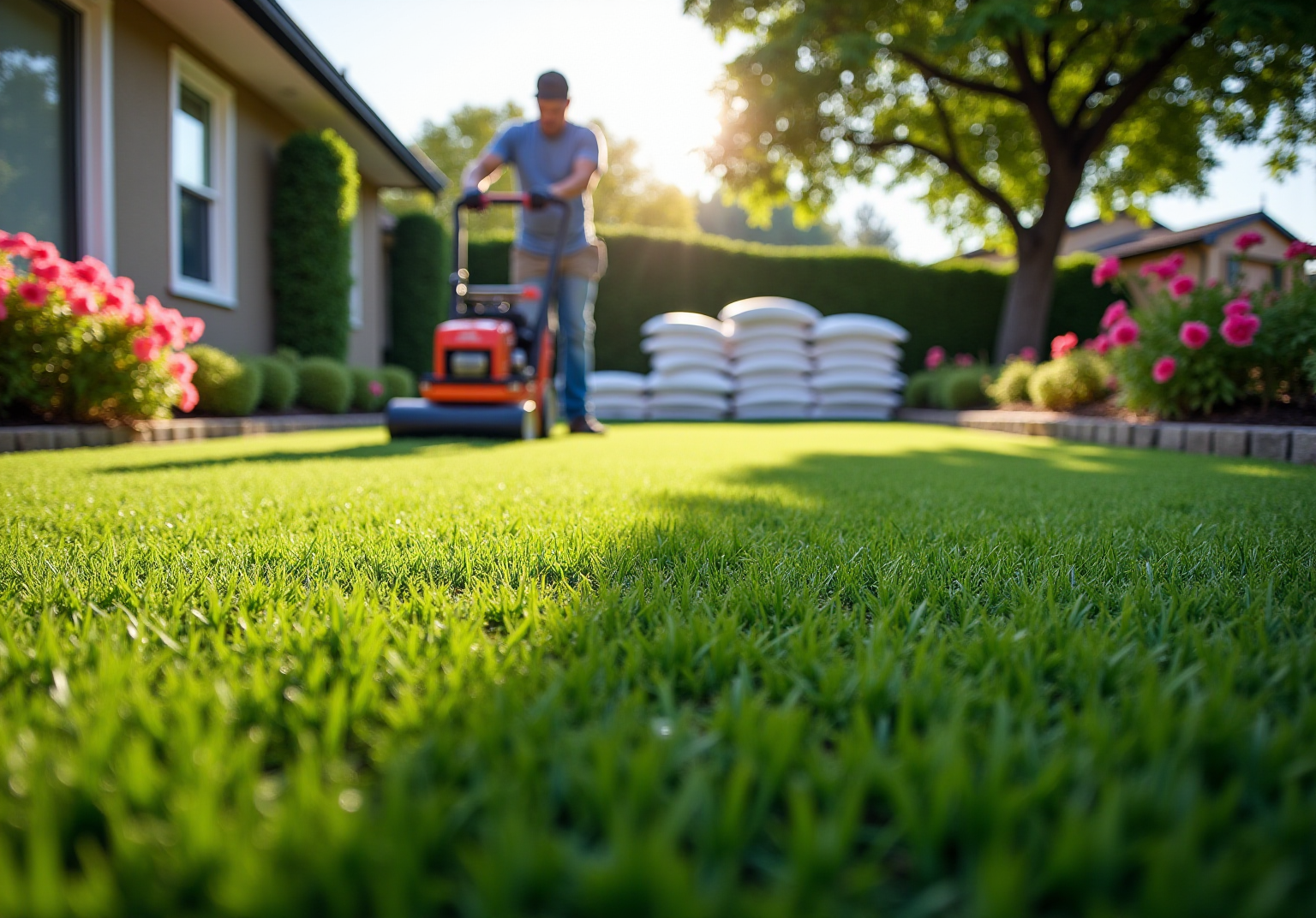
During the installation process, Hall Turf will compact the base material to establish a solid foundation, which is vital for understanding how long does artificial grass last?
By opting for professional installation from Hall Turf, you can sidestep common issues that often lead to premature wear, ensuring your turf remains visually appealing for years to come, prompting the question: how long does artificial grass last?

Implement Regular Maintenance and Cleaning Routines
To maintain the vibrancy of your synthetic turf and prolong its lifespan, establishing a regular upkeep routine is essential. Start by removing debris, such as leaves and twigs, on a weekly basis to prevent accumulation. A leaf blower or a stiff broom can effectively clear the surface.
Monthly, brush the grass fibers against the grain to restore their upright position and prevent matting. For deeper cleaning, rinse the surface with a hose every one to two weeks to eliminate dust and odors, and promptly spot clean any stains using a mild detergent or a vinegar-water solution.
If pets are part of your household, ensure that waste is cleaned up immediately and the area is rinsed to remove odors. Regular maintenance not only enhances the aesthetic appeal of your grass but also helps determine how long does artificial grass last by preserving its structural integrity, preventing costly repairs or replacements in the future.
Lawn care experts indicate that properly maintained synthetic grass can significantly reduce allergens and improve overall well-being for families and pets alike.

Manage Environmental Factors for Longevity
Environmental factors significantly impact the longevity of synthetic turf. To effectively manage these factors, consider the positioning of your grass. Avoid areas that receive excessive direct sunlight, as this exposure can lead to fading and overheating. Studies estimate that how long does artificial grass last? is between 10 to 20 years, making it essential to protect your investment. If possible, plant trees or install shade structures to shield the grass from intense sunlight.
Additionally, drainage is a critical consideration. Ensure that water does not accumulate on the surface, as this can lead to mold and mildew development, undermining the grass’s integrity. In regions with extreme temperatures, consider using cooling infills or lightly watering the turf during hot spells to mitigate heat buildup. Experts recommend that homeowners actively monitor these environmental elements to enhance both the longevity and appearance of their synthetic turf.

Recognize Signs for Replacement and Care Needs
To maintain your synthetic turf in optimal condition, it is crucial to recognize signs that indicate it may require replacement or additional attention. Key indicators include:
- Flattened or matted fibers, which suggest a loss of structural integrity.
- Discoloration or fading, often pointing to UV damage.
- Persistent odors or stains that resist cleaning, which may necessitate replacement.
- Drainage issues; standing water can lead to mold growth and compromise the turf’s foundation.
By staying vigilant and addressing these signs promptly, you can effectively uphold the quality and durability of your synthetic turf.
Experts in the field emphasize that high-quality synthetic grass can last between 10 to 15 years, which raises the question of how long does artificial grass last, but neglecting maintenance can significantly shorten its lifespan. Regular inspections and timely interventions are essential for preserving both the aesthetic and functional appeal of your lawn. Early recognition of these indicators allows for proactive planning, ensuring that your investment in artificial turf remains worthwhile.

Conclusion
Maximizing the lifespan of artificial grass requires a comprehensive approach that emphasizes quality, professional installation, regular maintenance, environmental management, and timely recognition of wear signs. By concentrating on these elements, homeowners can ensure that their investment in synthetic turf not only endures but also retains its visual appeal and functionality throughout its lifespan.
Key strategies include:
- Selecting high-quality materials, such as durable synthetic fibers and robust backing.
- Ensuring professional installation to circumvent common pitfalls.
- Establishing a consistent maintenance routine to keep the grass clean and vibrant.
- Managing environmental factors like sunlight exposure and drainage to preserve the turf’s integrity.
- Early recognition of wear signs to prevent costly replacements and extend the turf’s usability.
Ultimately, adhering to these best practices will enhance the longevity of artificial grass and contribute to a beautiful outdoor space that can be enjoyed for years. Embracing these guidelines is essential for anyone aiming to maximize the value and performance of their synthetic lawn, ensuring it remains a valued part of their home environment.
Frequently Asked Questions
What materials should I choose for durable artificial grass?
Opt for high-quality synthetic fibers like polyethylene or nylon, and ensure the backing is made from sturdy materials such as latex or polyurethane. Additionally, select infill materials like silica sand or rubber for enhanced stability and cushioning.
How does UV resistance affect artificial grass?
UV resistance is vital as it helps mitigate fading and brittleness over time, contributing to the longevity and aesthetic appeal of artificial grass.
Why is professional installation important for synthetic grass?
Professional installation is crucial for optimal performance as it ensures proper site assessment, base preparation, drainage management, and meticulous seam management to avoid wear and gaps.
Who is a reputable installer for synthetic grass?
Hall Turf is recognized as a leading installer of PGA Tour-quality putting greens in Kansas City and has gained the trust of over 70 PGA Tour professionals.
What factors influence how long artificial grass lasts?
The longevity of artificial grass is influenced by the quality of materials used, professional installation, proper drainage, and UV resistance.